Lessons from spiders
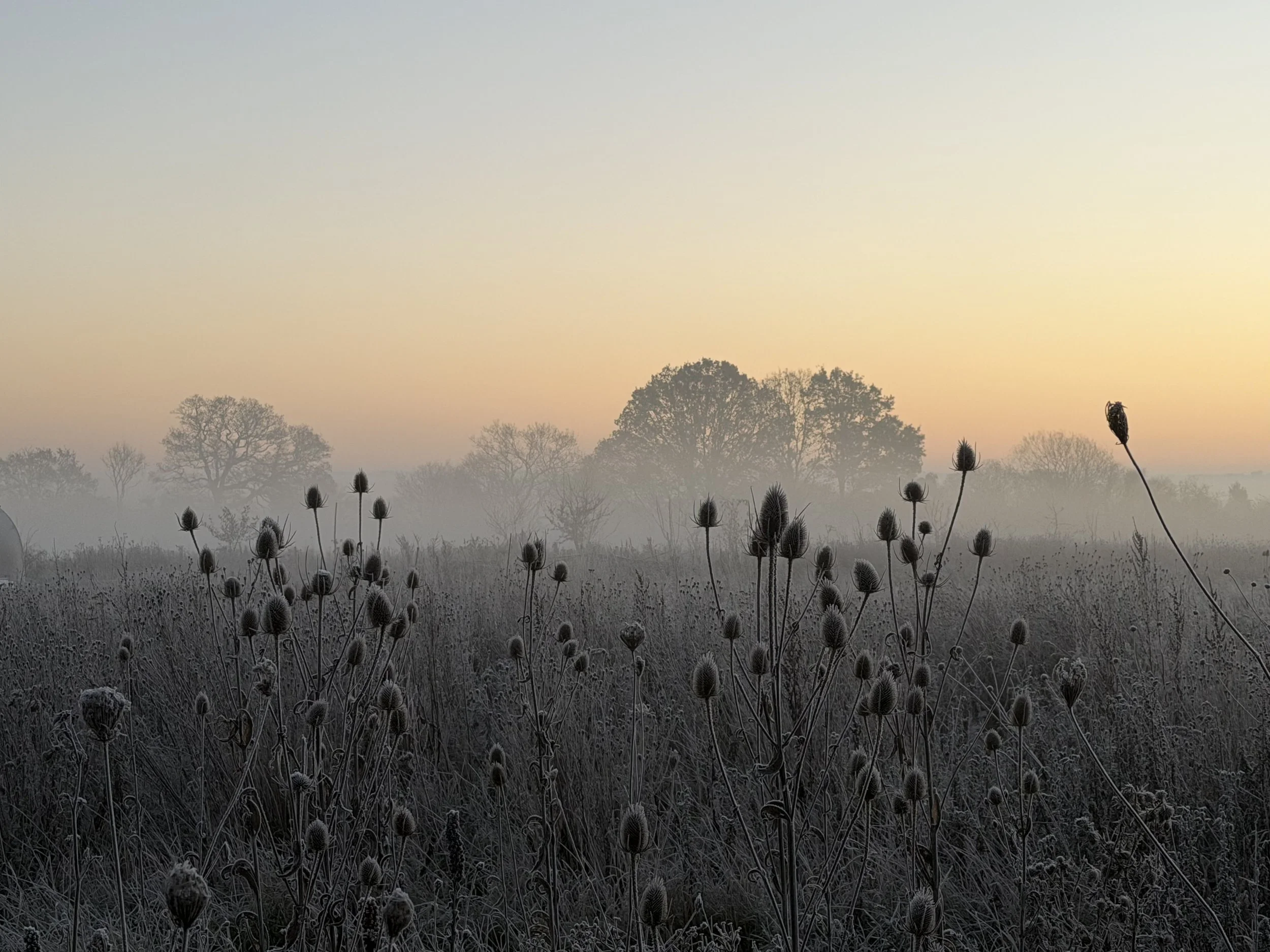
There exists a type of spider that chooses to weave it’s web between flexible blades of grass instead of between two hard objects (like stones for example). Why? Because when storms blow, and wind comes whistling along the land, their web simply lowers with the grass until the gusts have passed before coming back up and finding an equilibrium once more.
This type of flexibility is something we want to cultivate in our mind, bodies and nervous systems. When we harden our views and beliefs, tightening up in muscle and in mind, sharpening our self talk and the way we speak to others “we lose the softness and flexibility which makes for real shelter, belonging and protection”. Sometimes one of the best ways that you can care for yourself is to “limber up and make flexible again some of the views that harden and crystallise your mind and make you a barrier to your own inner depth and beauty and worth.” (John O’Donohue).
We all grow up with patters which were adaptive to our upbringing, and although helpful at the time, may now actually be holding us back. Because our brains love to be efficient, these patterns became automatic, however it is possible to change our automations and programming.
When we think of our nervous system, in particular in this instance our autonomic nervous system (the one that controls the majority of our body’s automatic functions eg breathing, digesting, blood pressure). Our autonomic nervous system has two branches: sympathetic and parasympathetic. Very simply (perhaps over-simply) put, our sympathetic activates us where as our parasympathetic brings us into a rest and digest state. Both of these systems are functioning all the time, they constantly work together looking for balance depending on the situation you are in. By balance I don’t mean they are always looking or a 50/50 distribution, I mean they work together to become adaptable and flexible in the moment - just like spiders webs woven between blades of grass. There are times when we need, and it is appropriate, to have more sympathetic activation - for example when we’re exercising so that we can deliver oxygen throughout our body more quickly. There are also times when we’d like a heavier lean on our parasympathetic system for example when we’d like to relax after a stressful day or digest our food after lunch.
Going back to our upbringings, we may have a habit of leaning more one way than another when it comes to our nervous system activation. Wherever you find you tend to hang out, it can be helpful to learn practices which are adaptogenic, giving us what we need in the moment. When trying new practices, it can be helpful to understand that they wont always feel comfortable initially, this is because they feel different from our ‘normal’ (but not always healthy) baseline. If you find this is the case for you, reduce the amount of time your practice a technique for. For example just 30 seconds before giving yourself a break.
Here’s a simple tool which I’ve share with your before - but - you may not have started practicing yet! (Funnily enough, you have to practice, in order for it to work!)
Heart Focused Breathing, like time spent in nature, also influences our physiology. It balances our heart rhythms and brings us into a state of coherence (or harmony). The two branches of our autonomic nervous system (sympathetic and parasympathetic) start to regulate better too. From this state, we are more easily able to navigate our emotional world and find mental clarity.
Try using this tool first thing in the morning to established a ‘balanced baseline’ that you can come back to later in the day. Then, as your day unfolds, every time you get knocked off balance, you can bring out this Heart Focused Breathing tool, and use it in the moment to come back to balance. The more you practice, the more like second nature it will become.
Heart Focused Breathing
Focus your attention to the area of your heart. Imagine your breath is flowing in and out of your heart or chest area, breathing a little slower and deeper than usual.
Suggestion: Inhale 5 seconds, exhale 5 seconds (or whatever rhythm is comfortable). You can practice this with your eyes open of closed for as little or as long as you like. Simply practice until you’re ready to proceed with the rest of your day.
